
Supporting Blood Volume in POTS Understanding the role of salt and fluids in POTS.
Why is salt and hydration important for people with POTS?
Research shows that around 70% of people with postural orthostatic tachycardia syndrome (POTS) have low blood volume (hypovolemia). When blood volume is low, the autonomic nervous system has a harder time keeping blood pressure stable, especially when moving from sitting to standing.
To compensate, the body increases sympathetic (fight‑or‑flight) activity and heart rate to maintain blood pressure. This contributes to symptoms like dizziness, light‑headedness, and rapid heart rate when upright.
One of the key management strategies for POTS is supporting blood volume, by increasing both salt and fluid intake. Salt helps the body hold onto fluid, and together they increase circulating blood volume, which may reduce symptom severity for people with POTS.
If I’m already drinking water, why do I need salt?
Sodium (the main mineral in salt) is an essential electrolyte for blood volume regulation. Water on its own doesn’t stay in the bloodstream very well so the body needs sodium to hold onto that fluid.
Sodium draws water from the gastrointestinal tract into the bloodstream, increasing circulating blood volume. It’s the same principle many of us learned in Year 11 science: “where sodium goes, water follows.”
With more blood volume, the body can deliver blood to the brain more effectively, and the heart doesn’t have to work as hard or beat as fast when standing. For many people with POTS, this can help reduce dizziness, light‑headedness, and rapid heart rate.
Evidence From Physiological and Clinical Studies
Research shows that a higher sodium intake can lead to symptom improvements in POTS. Studies have demonstrated that a high‑sodium diet (under medical guidance) can:
Increase total blood volume
Reduce standing heart rate
Lower standing norepinephrine levels
Improve symptoms such as dizziness and light‑headedness during standing
These findings suggest that when blood volume is better supported, the sympathetic nervous system (fight‑or‑flight system) does not need to activate as strongly to maintain blood return to the heart when standing.
Clinical Guidelines and Expert Consensus
Based on scientific evidence and expert consensus, increasing salt and fluid intake is widely recommended as a first-line non-pharmacological intervention for POTS. The 2026 expert review recommends patients with POTS should;
Drink ~3 litres of water per day
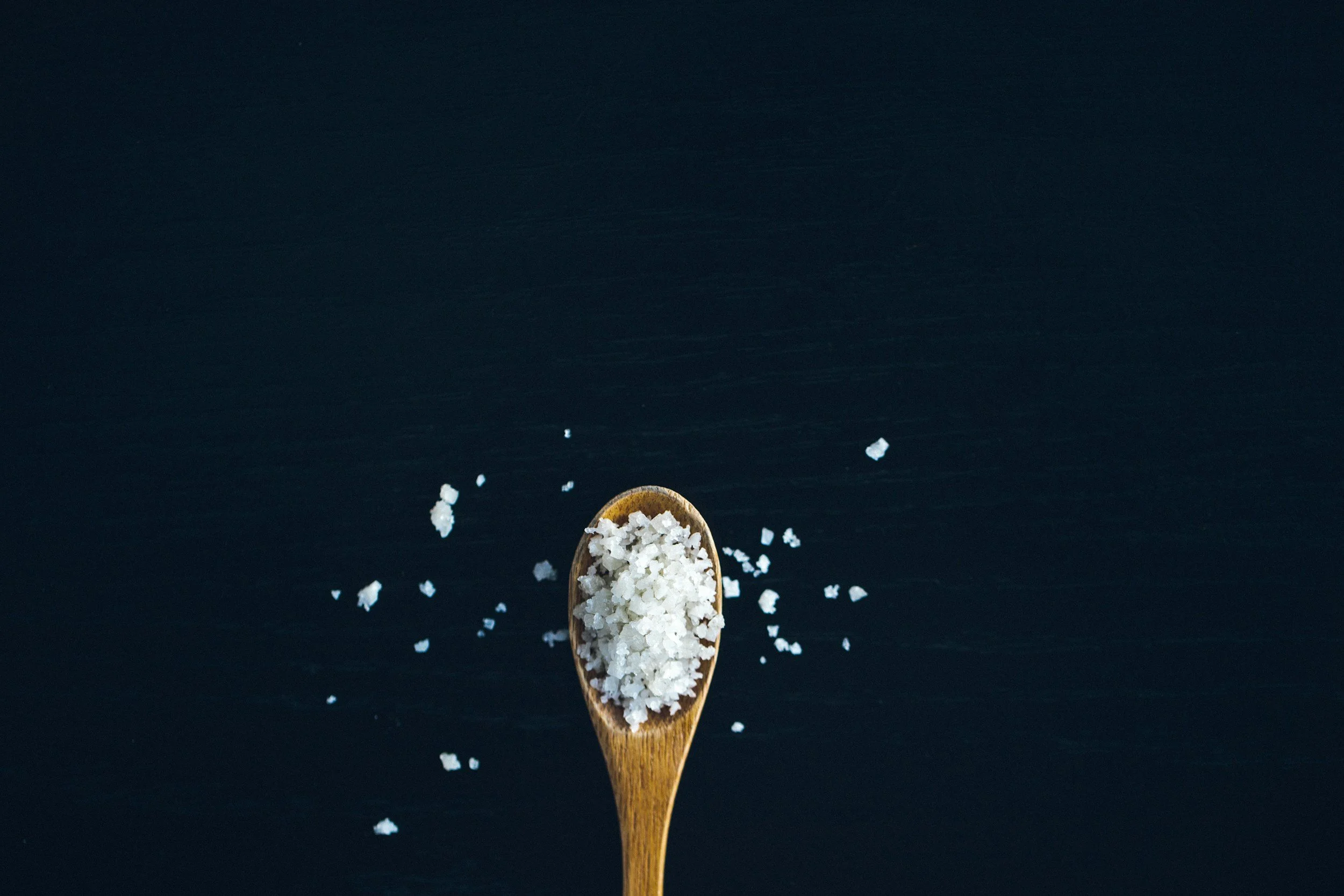
Aim to consume 8-10 g of dietary salt (~2 teaspoons or 4000 mg of sodium) under medical guidance*
*There are some medical conditions where high‑salt diets are not appropriate. It’s important to speak with a doctor or dietitian before making changes.
Practical Considerations for Patients
Increasing salt and fluid intake can feel overwhelming at first, but many people find it manageable once they build it into their daily routine. Small, consistent changes are often easier to maintain than trying to make large changes all at once.
Some practical strategies include;
Hydration
Drink 250-500 mL of water or electrolytes before getting out of bed in the morning
Use the same drink bottle throughout the day to track water intake
Aim to sip fluids regularly across the day rather than drinking large amounts all at once
Keep fluids easily accessible at work, in the car, or beside the bed
Fluid rich foods can be helpful (such as smoothies, soup, iceblocks, jelly, yoghurt, high fluid fruits)
Adding flavoured water drops, lemon, lime, or herbal infusions can help make water more appealing can keep drinking water more interesting
Some people find cold fluids or drinking through a straw easier when symptoms are severe
During hot weather, illness, exercise, menstruation, or travel, fluid needs are often higher
Salt
Add extra salt to meals throughout the day (you can put two teaspoons of salt into a container and sprinkle it on food throughout the day)
Have salty snacks such as;
Salted nuts (30g 94 mg sodium)
Salt and vinegar rice crackers (10 crackers 180 mg sodium)
Flavoured chickpeas (70g 219 mg sodium)
Pretzels (25g 310 mg sodium)
Olives (5 olives 335mg sodium)
Cheese (20g 150 mg sodium)
Gherkins ( 2pieces -360mg)
Miso soup – (750mg)
Electrolyte drinks such as:
Sodii (~1000 mg sodium)
Liquid I.V. (~500 mg sodium)
Hydralyte (~280 mg sodium)
Electral (188mg)
Some people find it helpful to dilute electrolyte drinks if they are too sweet or difficult to tolerate. Sugar-free options may also be preferable for some individuals.
Key Messages
Supporting blood volume is one of the most effective non‑pharmacological strategies for managing POTS. By increasing both salt and fluid intake, many people experience better blood return to the heart when standing, leading to fewer symptoms and improved day‑to‑day functioning.
References
Garland, E. M., Gamboa, A., Nwazue, V. C., Celedonio, J. E., Paranjape, S. Y., Black, B. K., ... & Raj, S. R. (2021). Effect of high dietary sodium intake in patients with postural tachycardia syndrome. Journal of the American College of Cardiology, 77(17), 2174-2184.
Kulapatana, S., Urechie, V., Rigo, S., Mohr, A., Vance, Y. A., Okamoto, L. E., ... & Diedrich, A. (2025). Blood volume deficit in postural orthostatic tachycardia syndrome assessed by semiautomated carbon monoxide rebreathing. Clinical Autonomic Research, 35(2), 267-276.
Lau, D. H., Fedorowski, A., Raj, S. R., Schild, C., Pace, L. A., Blitshteyn, S., ... & Gallagher, C. (2026). Postural Orthostatic Tachycardia Syndrome: A State-of-the-Art Review. Heart, Lung and Circulation.
Raj, S. R., Biaggioni, I., Yamhure, P. C., Black, B. K., Paranjape, S. Y., Byrne, D. W., & Robertson, D. (2005). Renin-aldosterone paradox and perturbed blood volume regulation underlying postural tachycardia syndrome. Circulation, 111(13), 1574-1582.
Raj, Satish R., and David Robertson. "Blood volume perturbations in the postural tachycardia syndrome." The American journal of the medical sciences 334, no. 1 (2007): 57-60.
Sheldon, R. S., Grubb II, B. P., Olshansky, B., Shen, W. K., Calkins, H., Brignole, M., ... & Kanjwal, K. (2015). 2015 heart rhythm society expert consensus statement on the diagnosis and treatment of postural tachycardia syndrome, inappropriate sinus tachycardia, and vasovagal syncope. Heart rhythm, 12(6), e41-e63.
